


When Is Your Business Ready for a Warehouse in Goulburn?
Many businesses begin with equipment in the garage, stock in a spare room and paperwork at the kitchen table.
That arrangement can be economical during the early stages. However, as the business grows, a lack of suitable space can begin to cost more than it saves.
Employees may waste time finding equipment. New inventory may be turned away because there is nowhere to put it. Vehicles may remain outside because the garage is full of stock. The business can also begin to interfere with family life.
Leasing a warehouse is an important commitment, but it can provide the room, infrastructure and separation needed for the next stage of growth.
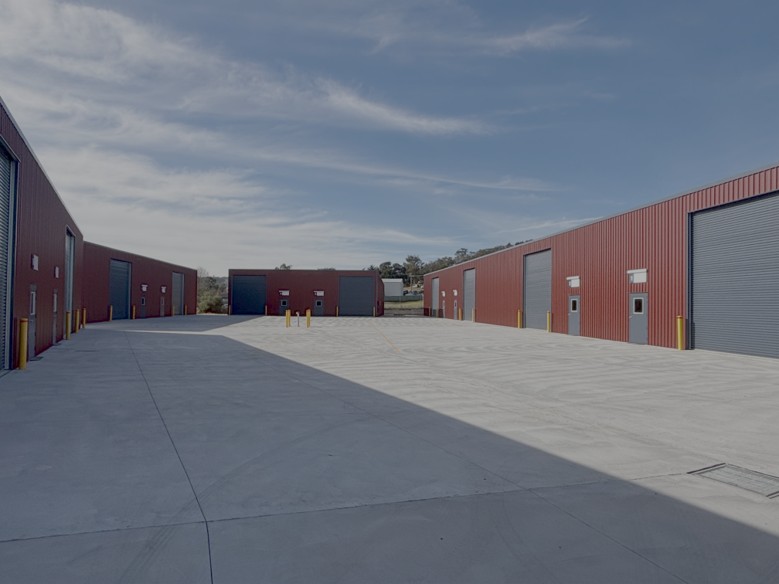
Hepworth Mini Warehouses at North Goulburn Business Park offers modern 108 m² and 180 m² warehouses designed for trades, contractors, online retailers, distributors and other small or growing businesses.
Seven Signs Your Business May Need a Warehouse
1. Stock or equipment is taking over your home
The garage may have started as a convenient place for tools or stock. Over time, the business can spread into spare rooms, hallways, sheds and living areas.
This can create poor stock organisation, damage to household property, security concerns, difficulty receiving deliveries, tension between business and family requirements, and an unprofessional working environment.
A dedicated warehouse separates business belongings from the home and creates a defined operational base.
2. Employees waste time searching for equipment
Poor organisation creates hidden labour costs.
If employees regularly unload vehicles, move equipment between locations or search through crowded sheds, productive time is lost before the actual work begins.
A well-organised warehouse can provide designated areas for tools, consumables, project materials, completed work, incoming deliveries, returns, safety equipment and administrative supplies.
Even a modest improvement in daily preparation can add up across an entire year.
3. You are limiting purchases because there is nowhere to put them
A growing business may miss opportunities when it cannot safely hold discounted bulk purchases, additional product lines, seasonal stock, imported goods, project-specific materials, spare parts or customer orders.
A warehouse should not encourage unnecessary stockholding. However, sufficient space can help a business purchase and organise the inventory it genuinely needs.
4. Deliveries have become difficult
Residential addresses may not suit regular commercial deliveries.
Problems can include restricted truck access, nowhere to unload, deliveries blocking a driveway, stock being exposed to weather, goods arriving when nobody is home, neighbour concerns and an unsafe unloading environment.
A dedicated business premises can create a more predictable location for receiving and dispatching goods.
Before leasing, confirm that the property’s access and layout suit the vehicles and delivery methods your business uses.
5. Your business needs a more professional base
Customers, suppliers, employees and subcontractors form an impression from the way a business operates.
A modern warehouse can provide a clearer separation between personal and commercial activity. It may also help with employee induction, supplier meetings, inventory management, project preparation, recruitment and presenting the business as established and organised.
Not every business needs a customer-facing showroom or expensive office. Many simply need a clean, secure and functional operational base.
6. Your current shed lacks essential infrastructure
An inexpensive older shed may become less economical if the business needs to install or upgrade electrical capacity, internet access, lighting, security, amenities, parking, drainage or internal office facilities.
When comparing warehouse rent, look beyond the weekly price. Consider what is included, what must be installed and how the property will affect daily operations.
7. Your business cannot grow within the existing space
The clearest sign may be that the current premises prevent the business from taking its next step.
An online retailer may be unable to add another product category, a contractor may be unable to employ another team, a wholesaler may be unable to receive larger orders, or a small manufacturer may be unable to create a logical production flow.
A warehouse will not create demand on its own, but the right premises can remove an operational constraint.

What Is a Mini-Warehouse?
A mini-warehouse is a smaller industrial unit designed to give businesses many of the practical benefits of a warehouse without requiring them to lease a much larger industrial property.
At Hepworth Mini Warehouses, the available unit types include 108 m² and 180 m² warehouses.
These sizes may appeal to businesses that have outgrown residential or improvised premises but do not need several hundred square metres.
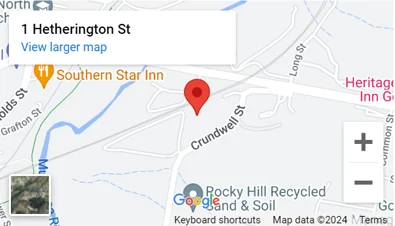
The units are located at 1 Hetherington Street in North Goulburn, within a secure, purpose-built business park.
What Can a 108 m² Warehouse Be Used For?
- Tools and equipment for a trade business
- Plumbing, electrical or building supplies
- Locksmith or security equipment
- Online retail inventory
- Cleaning and maintenance supplies
- Signage or printing materials
- Project stock
- Spare parts
- Small-scale assembly
- Office furniture and business records
A 108 m² unit may be particularly attractive to an owner-operator who needs more than a residential garage but wants to avoid the cost and complexity of a much larger industrial building.
What Can a 180 m² Warehouse Be Used For?
- Builders and larger trade businesses
- Earthmoving or landscaping contractors
- Wholesalers and distributors
- Online retailers with more substantial inventory
- Building-product suppliers
- Small manufacturers
- Businesses holding finished goods
- Project-based contractors
- Service businesses with multiple vehicles or teams
- Businesses requiring separate stock and preparation areas
The extra floor area can allow a business to establish clearer operational zones, subject to the unit layout and permitted use.
Mini-Warehouse Versus a Traditional Industrial Shed

Businesses should compare the total occupancy cost rather than rent alone. This may include rent, GST, electricity, statutory or property outgoings, internet, security, cleaning, maintenance obligations, insurance, fit-out, make-good requirements, legal costs and moving costs.
At Hepworth Mini Warehouses, tenants pay no property outgoings. Electricity consumption and other tenant-specific costs remain separate.
Why No Outgoings Matters
Commercial property advertising may quote rent without showing the full amount a tenant will pay.
- Council rates
- Water charges
- Building insurance
- Land tax where recoverable
- Common-area maintenance
- Property management expenses
- Other costs permitted under the lease
Where no outgoings are charged, it can make occupancy costs easier to understand and budget for. Prospective tenants should still review the lease carefully and confirm all amounts before signing.
Why Three-Phase Power Can Be Important
Three-phase power can be relevant for businesses using equipment with higher electrical requirements.
- Fabrication and workshop businesses
- Trades operating larger machinery
- Refrigeration-related businesses
- Equipment repair businesses
- Small manufacturers
- Businesses using compressors or industrial tools
Three-phase power availability does not automatically mean that every item of equipment can be connected without assessment. A tenant should confirm the equipment requirements, existing supply and outlets, whether additional electrical work is needed, and whether landlord approval is required.
Why Private Amenities Matter
A private bathroom and kitchenette can make a warehouse more practical as a daily business premises. Employees can begin and finish the workday from the site, prepare for projects and take breaks without relying on shared external amenities.
It also avoids the cost and disruption of adding basic facilities to an older shed that does not already have them.

What Businesses May Suit a Goulburn Mini-Warehouse?
Trades and contractors
Electricians, plumbers, builders, painters, bricklayers and maintenance contractors may use a warehouse to organise tools, consumables and project materials.
Earthmoving and landscaping businesses
A unit may provide a base for tools, smaller equipment, parts, safety gear and project supplies, subject to vehicle access, permitted use and storage restrictions.
Online retailers
A dedicated warehouse can help separate home life from inventory, packing materials, returns and dispatch activity.
Wholesalers and distributors
Smaller distributors may use the space to receive, organise and dispatch product without leasing a large industrial property.
Building-product suppliers
A warehouse may suit selected building products, project materials or samples, subject to weight, access and permitted-use requirements.
Signage, printing and installation businesses
These businesses may need room for materials, tools, completed jobs and installation equipment.
Cleaning and property-service companies
A central base can help organise equipment and permitted supplies for multiple teams.
Small manufacturers and assembly businesses
Some light production or assembly uses may be suitable, depending on planning approval, services, noise, waste and the lease.
Every prospective tenant should describe its intended use accurately before entering into a lease.
Questions to Ask Before Leasing a Warehouse
Is the location convenient?
Consider proximity to customers, major roads, employees, suppliers, delivery routes and the areas where most projects are completed. The North Goulburn location provides access to Goulburn's industrial area and surrounding transport connections.
Is the warehouse the right size?
Avoid leasing solely for today's stock level. Consider expected requirements over the proposed lease period while avoiding unnecessary excess space. Allow room for walkways, safe access, shelving, incoming goods, returns, equipment preparation and future growth.
Is the roller door suitable?
Confirm the door dimensions and clearance against the vehicles, loads and equipment you expect to move through it. The Hepworth units feature approximately 4.8-metre-high roller-door clearance.
Does the business need parking?
Each Hepworth mini-warehouse includes two dedicated car spaces. Consider whether this is sufficient for employees, customers and work vehicles, and discuss any additional requirements before leasing.
Is the proposed use permitted?
Confirm zoning and planning requirements, landlord approval, noise implications, waste and drainage requirements, fire-safety obligations, dangerous-goods restrictions, signage requirements and any required council approval.
What are the security arrangements?
Consider CCTV coverage, gate access, lighting, internal security, insurance requirements and how keys and access credentials will be managed. Hepworth Mini Warehouses operates within a secure business park with PIN-coded access and 24/7 CCTV monitoring.
What is included in the occupancy cost?
Ask for a clear explanation of rent, GST, outgoings, electricity, internet, bond or security deposit, insurance, legal costs, rent reviews and maintenance responsibilities.
How a Warehouse Can Improve Business Efficiency
- Reduce loading time
- Improve stock visibility
- Avoid duplicate purchasing
- Protect tools and inventory
- Prepare jobs more efficiently
- Receive deliveries in a designated location
- Separate business and household activities
- Support additional employees
- Create room for growth
The benefit does not come from the building alone. It comes from using the space deliberately. Before moving in, plan shelving locations, vehicle and pedestrian paths, receiving areas, stock categories, high-use equipment, workplace safety requirements, waste handling and employee responsibilities.
Is Leasing a Warehouse Financially Worthwhile?
The answer depends on what the current lack of space is costing the business.
- Lost employee time
- Damaged stock
- Missed purchasing opportunities
- Inefficient deliveries
- Duplicated equipment
- Vehicle-storage problems
- Inability to hire
- Interference with family life
- Lost work because capacity is constrained
Compare those costs with the total warehouse occupancy cost. A warehouse should support a genuine business requirement rather than simply create another fixed expense.
Modern Warehouses at North Goulburn Business Park
Hepworth Mini Warehouses provides purpose-built commercial premises at 1 Hetherington Street, North Goulburn.
- Modern 108 m² and 180 m² warehouses
- Approximately 4.8-metre roller-door clearance
- Three-phase power availability
- NBN availability
- Private bathroom and kitchenette
- Two dedicated car spaces
- Secure PIN-coded access
- 24/7 CCTV monitoring
- Flexible lease terms
- No property outgoings
The warehouses can suit a variety of small and growing businesses seeking more professional and functional premises in Goulburn. Availability is limited and can change as leases are completed.