

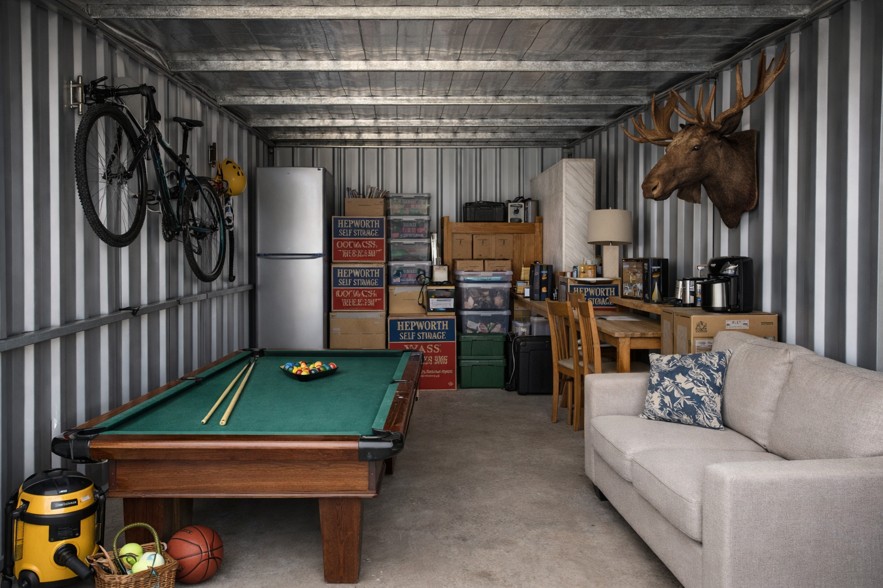
Fire season is an important time for households across Moss Vale, Bowral, Berrima, Bundanoon and the wider Southern Highlands.
Preparing your property, reviewing your bush fire survival plan and knowing what you would take if you needed to leave are essential steps. It can also be a useful time to decide which belongings need to remain readily available, which items could be stored elsewhere and whether excess belongings are making your home, garage or shed harder to organise.
Self storage is not a substitute for a bush fire survival plan, emergency kit, appropriate insurance or proper preparation around your home. However, it can form part of a broader plan to organise and protect selected possessions before periods of elevated fire risk.

Start With a Bush Fire Survival Plan
The NSW Rural Fire Service recommends preparing a bush fire survival plan before a fire threatens. Your plan should address important decisions such as when you will leave, where you will go, what you will take and what arrangements are needed for pets or livestock.
Households should also monitor official fire danger ratings and warnings through the NSW RFS and Hazards Near Me NSW.
If your home is in or near a bush fire-prone area, do not wait for smoke or an emergency warning before deciding what matters most. Preparing early gives you time to make considered decisions rather than trying to sort through years of belongings at short notice.
Keep Emergency Items With You
Some belongings should remain immediately accessible and should not be placed into long-term storage during fire season.
- Important identification and essential documents
- Medications and prescriptions
- Mobile phones and chargers
- Battery-powered radio and torch
- Drinking water
- Protective clothing
- First-aid supplies
- Essential items for children
- Essential pet supplies
- Contact details and a written survival plan
Keep this kit in a known, accessible location. If you need to leave quickly, you should not have to visit a storage facility or search through boxes first. Follow the current NSW RFS emergency-survival-kit recommendations when deciding what your household requires.
Decide Which Important Documents Need Protecting
Many households have documents spread across filing cabinets, desks, drawers and boxes. Before fire season, identify which records are essential and consider creating secure digital copies.
- Birth and marriage certificates
- Passports
- Property and insurance documents
- Wills and legal records
- Financial and taxation records
- Medical information
- Photographs of valuable possessions
- Business and employment records
The original documents you may require during an emergency should remain readily accessible. Less frequently used archives and properly backed-up records may be suitable for organised off-site storage. Use clearly labelled archive boxes and maintain an inventory so you know exactly where each document is located.
Protect Photographs Keepsakes and Family Heirlooms
Photographs, letters, artwork and family keepsakes are often irreplaceable. They can also accumulate in cupboards, garages and spare rooms without any clear inventory.
- Items to keep with your emergency essentials
- Items to digitise or photograph
- Items suitable for secure off-site storage
Photographs and paper records should be clean and completely dry before being packed. Use sturdy, clearly labelled boxes and avoid placing delicate items directly against the floor or walls of a storage unit.
If you are storing artwork, antiques or unusually valuable belongings, discuss their suitability with the storage facility and your insurer first. Standard self storage is not temperature or humidity-controlled unless specifically stated.

Make Garages and Sheds Easier to Manage
Garages and sheds often contain a mixture of tools, outdoor furniture, sporting equipment, spare building materials and seasonal belongings.
The NSW RFS recommends removing material that can burn from around the home, keeping lawns and gardens maintained, clearing gutters and cleaning up fallen leaves, twigs and debris. Moving ordinary household belongings into storage can help create a more organised space, but it does not replace this property-maintenance work.
- Clean garden tools
- Camping equipment
- Bicycles and sporting gear
- Outdoor furniture
- Empty storage containers
- Seasonal household belongings
- Non-hazardous tools and equipment
- Furniture being retained for future use
Fuel, gas bottles, chemicals, paint, explosives and other flammable or hazardous materials must not be treated as ordinary storage items. Speak with the storage team about prohibited goods before moving anything that may present a risk.
Consider Vehicle Storage Before the Busy Season
Some Southern Highlands households own weekend cars, trailers, motorcycles or other vehicles that are not used regularly. Moving an infrequently used vehicle out of a crowded residential garage may create more usable space at home. It can also make frequently needed equipment easier to access.
- Check that it fits comfortably within the proposed space
- Remove food, rubbish and unnecessary belongings
- Clean and dry the vehicle
- Check for oil, fuel or coolant leaks
- Confirm insurance arrangements
- Follow appropriate long-term vehicle-storage procedures
- Ask the facility about its current vehicle-storage requirements
Hepworth Self Storage Moss Vale offers a range of larger spaces, including drive-up units and outdoor options, subject to dimensions and availability.

Choose the Right Storage Unit
The best storage size depends on what you are moving and how often you need access. A compact unit may suit boxes, documents, photographs and seasonal household items. A medium unit may accommodate furniture from one or more rooms. Larger garage-sized units can hold more substantial household contents, business equipment or an eligible vehicle.
- The dimensions and shape of larger items
- Whether furniture can be dismantled
- How high boxes can be safely stacked
- Whether you need an access path
- How frequently items will be retrieved
- Whether future additions are likely
Preparing an inventory and taking photographs of larger items can help the Hepworth team recommend an appropriate size.
Local Storage in Moss Vale
Hepworth Self Storage Moss Vale provides secure storage for households and businesses throughout the Southern Highlands.
- Convenient drive-up storage units
- PIN-coded gate entry
- 24/7 CCTV monitoring
- Seven-day customer access during facility access hours
- A range of unit sizes
- Boxes and packing supplies available on site
- A free move-in trailer, subject to availability and conditions
- Assistance from a local, family-owned business
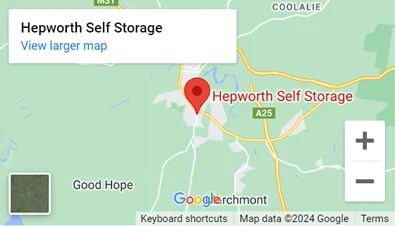
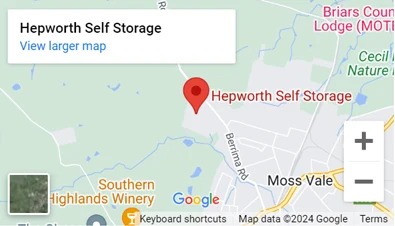
The facility is located at 6 Old Dairy Close, Moss Vale, making it accessible for customers from Moss Vale, Bowral, Burradoo, Berrima, Mittagong, Bundanoon and surrounding communities.
Prepare Early Not During an Emergency
The best time to organise important belongings is well before a fire threatens. Begin with your NSW RFS bush fire survival plan, prepare your property, review your insurance and assemble an emergency kit. Then consider whether secure off-site storage could help you organise selected household belongings, keepsakes, documents, equipment or vehicles.
Self storage cannot remove the risk posed by a bush fire and no ordinary storage facility should be described as fireproof. Its practical role is to give households another organised location for suitable belongings while they prepare their homes and emergency arrangements.
For help selecting a Moss Vale storage unit, contact Hepworth Self Storage on (02) 4869 5656 or request a free storage quote online. For official bush fire preparation advice, visit the NSW Rural Fire Service.